
How often should I be going to the toilet to empty my bladder?
February 24, 2025
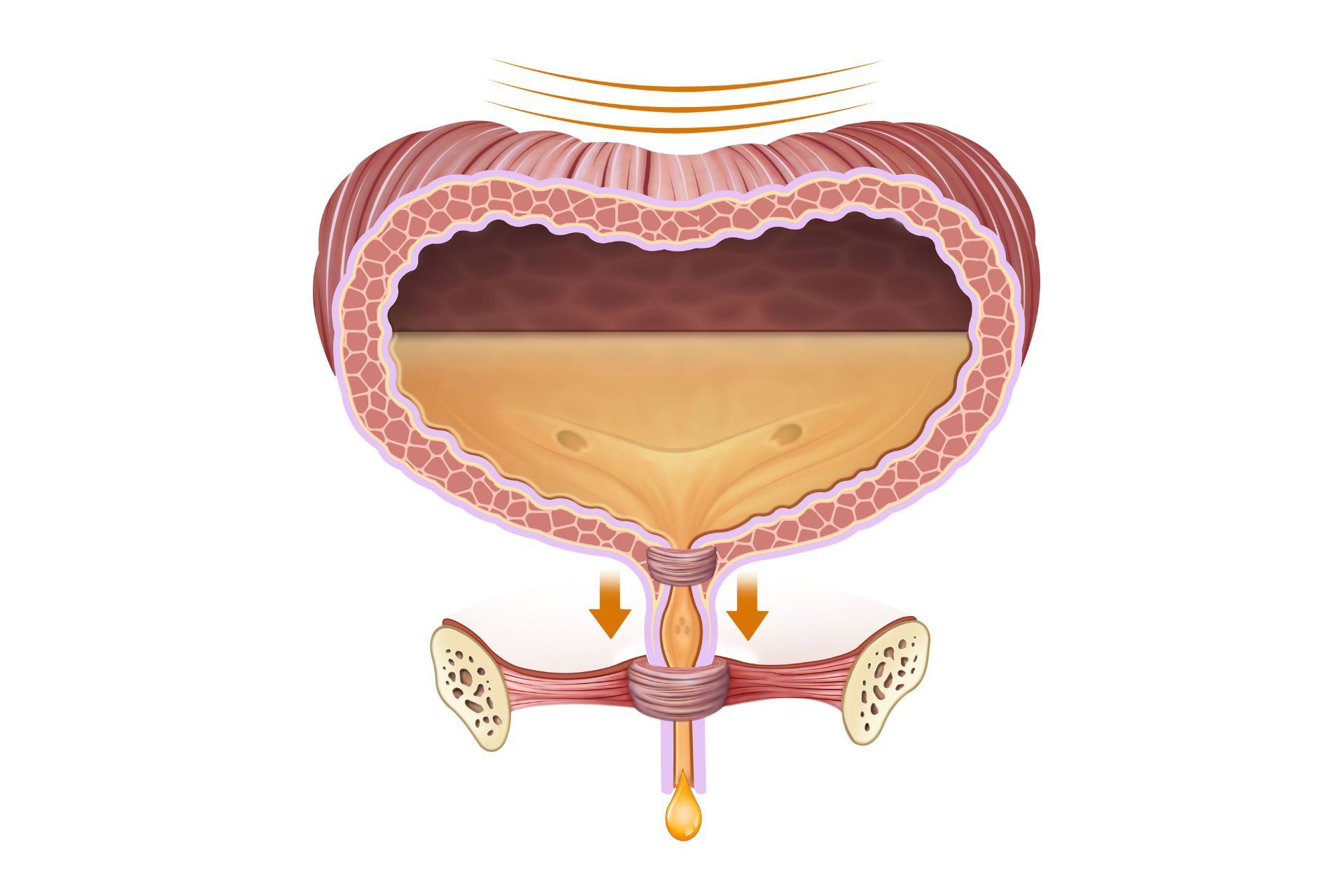
What is the bladder?
Understanding Normal Voiding: What You Need to Know
When it comes to our body's daily functions, many processes occur without us even thinking about them. One of these processes is voiding, a term used to describe the act of passing urine. While most people are familiar with the sensation of needing to urinate, the details of what constitutes normal voiding often remain a mystery. So, let’s take a closer look at what normal voiding is and why understanding it is important for maintaining overall health.
What is Voiding?
Voiding refers to the process of emptying the bladder by releasing urine. The process involves several steps, beginning when the kidneys filter waste and excess fluids from the blood, creating urine. This urine is then stored in the bladder until the body signals that it’s time to eliminate it.
What is Considered "Normal" Voiding?
Normal voiding can vary slightly from person to person, but there are certain commonalities that most people experience. Here are the key factors that make up normal voiding:
1. Frequency of Urination
The frequency of urination typically ranges from about four to eight times a day for an adult. This depends on factors such as fluid intake, the types of liquids consumed (e.g., caffeine or alcohol may increase urination), and your activity levels.
Daytime Urination: On average, most people will urinate about 5-7 times during the day.
Nighttime Urination: Waking up during the night to urinate (a condition known as nocturia) should be infrequent. Ideally, most adults can go through the night without needing to urinate.
2. Volume of Urine
A typical void usually involves passing about 200 to 500 milliliters (ml) of urine per session. However, this amount can vary based on your hydration levels and other factors such as age and kidney function.
Hydration and Urine Volume: If you drink more fluids, especially water, your body will produce more urine. Conversely, dehydration can lead to smaller volumes of urine that may be more concentrated.
3. Urine Flow and Stream
When urinating, the flow of urine should be consistent and strong, without pauses or interruptions. Any changes in the flow pattern, such as a weak stream or difficulty starting urination, could be a sign of a medical condition.
4. Urine Color and Clarity
Normal urine should be pale yellow or amber and clear. If you notice changes in color or appearance, it could indicate changes in hydration levels or underlying health issues:
Light yellow: Indicative of good hydration.
Dark yellow or amber: Could suggest dehydration.
Cloudy or foamy urine: Might signal an infection, kidney disease, or excess protein in the urine.
5. Absence of Pain
Normal voiding should be a painless process. You should not feel discomfort, burning, or a sense of urgency or pain when urinating. Painful urination could indicate infections like UTIs (urinary tract infections), bladder issues, or other medical conditions that require attention.
Factors That Affect Normal Voiding
While the general guidelines above cover what most people consider to be normal voiding, several factors can influence your urination habits:
1. Hydration Status
The amount of fluid you consume greatly affects the frequency and volume of urination. Staying well-hydrated helps your kidneys filter waste effectively and maintain a healthy balance.
2. Medications
Certain medications, particularly diuretics or water pills, can increase the frequency of urination. Other drugs might affect bladder control or alter the composition of urine.
3. Age
As people age, their bladder capacity tends to decrease, and the ability to control urination might change. Older adults may experience more frequent urination or conditions like overactive bladder or urinary incontinence.
4. Diet
The types of food and drinks you consume can affect urination. For instance, caffeine, alcohol, and spicy foods can irritate the bladder, potentially leading to more frequent urination. Eating high-salt foods may cause your body to retain water, decreasing the need to urinate.
5. Health Conditions
Certain medical conditions can impact normal voiding. For example:
Diabetes can increase urination due to high blood sugar levels.
Pregnancy can cause frequent urination as the growing uterus places pressure on the bladder.
Bladder or kidney infections often lead to painful or frequent urination.
When Should You Be Concerned About Your Voiding Patterns?
While normal voiding varies slightly from person to person, there are several signs that could indicate a problem:
Increased or decreased frequency: If you find yourself urinating much more or less frequently than usual, it could be a sign of a medical issue.
Painful urination: Discomfort or pain when urinating may signal infections or other health problems.
Blood in urine: Blood in your urine (hematuria) should never be ignored, as it may indicate a kidney stone, infection, or even a more serious condition.
Incontinence or difficulty urinating: Struggling to control urination, or feeling unable to fully empty your bladder, might indicate bladder dysfunction or other issues.
A pelvic physiotherapist can play a key role in improving bladder and voiding function. By assessing and treating the muscles and tissues of the pelvic floor, they help address issues like incontinence, urgency, or difficulty urinating. Pelvic physiotherapy involves targeted exercises to strengthen or relax pelvic floor muscles, improve bladder control, and enhance overall voiding function. The Physio may also teach techniques for proper posture, breathing, and coordination to ensure effective bladder emptying. For individuals experiencing pelvic pain or pressure, pelvic physiotherapists provide specialised treatment to relieve discomfort and restore normal function.
SHARE
Education & Insights from the Kindred Team
The Kindred team is committed to delivering high-quality, evidence-based care across pelvic health, paediatrics, pregnancy, postpartum rehabilitation, and complex conditions.
Our blog provides trusted educational resources for patients, families, and healthcare professionals to better understand their bodies, symptoms, and treatment options.
Featured

Endometriosis and adenomyosis are two common yet often misunderstood conditions that affect many individuals with uteruses, causing chronic pelvic pain, heavy periods, and various other symptoms. While traditional treatment approaches may focus on medication or surgical interventions, pelvic physiotherapy has proven to be an effective complementary treatment that helps manage pain, improve quality of life, and support overall pelvic health. In this blog, we will explore how pelvic physiotherapy can help individuals suffering from endometriosis and adenomyosis, offering relief and a holistic approach to managing these conditions. What Are Endometriosis and Adenomyosis? Before delving into how pelvic physiotherapy can help, it’s important to understand what endometriosis and adenomyosis are. Endometriosis occurs when tissue similar to the lining inside the uterus (the endometrium) grows outside the uterus, causing inflammation, scar tissue (adhesions), and often severe pelvic pain, particularly during menstruation. This condition can also affect fertility and cause painful intercourse. Adenomyosis happens when endometrial tissue grows into the muscular wall of the uterus. This can lead to an enlarged uterus, heavy and painful periods, pelvic pain, and even bloating or pressure in the lower abdomen. Unlike endometriosis, adenomyosis is confined to the uterus, but it can cause similarly debilitating symptoms. Both conditions can significantly affect daily life, leading to discomfort, fatigue, and emotional strain. However, pelvic physiotherapy offers a multifaceted approach that helps address the physical symptoms of these disorders. How Pelvic Physiotherapy Can Help Manage Endometriosis and Adenomyosis Pelvic physiotherapy focuses on the muscles, ligaments, and tissues in the pelvic region, with the aim of improving mobility, relieving pain, and restoring pelvic floor function. For individuals with endometriosis and adenomyosis, pelvic physiotherapists can use a range of techniques tailored to their specific symptoms and needs. Here’s how pelvic physiotherapy can offer relief: 1. Reducing Pelvic Pain One of the most common symptoms of both endometriosis and adenomyosis is chronic pelvic pain. Pelvic physiotherapists are trained to use a variety of hands-on techniques such as myofascial release, deep tissue massage, and trigger point therapy to reduce muscle tension in the pelvic floor and surrounding areas. These techniques help relax tight muscles, release scar tissue, and improve blood circulation, which can alleviate pain and reduce muscle spasms. For endometriosis, this is especially important, as the condition can cause deep pain, especially around the pelvic organs. By targeting these tight and tender areas, pelvic physiotherapy can help reduce the intensity and frequency of pain episodes. 2. Improving Pelvic Floor Function Both endometriosis and adenomyosis can affect the pelvic floor muscles, which play a critical role in bowel, bladder, and sexual function. Individuals with these conditions may experience pelvic floor dysfunction, which can manifest as pain during intercourse, urinary urgency, or constipation. Pelvic physiotherapy helps restore proper pelvic floor muscle function by teaching exercises that encourage both strengthening and relaxation of these muscles. This can improve bladder and bowel control, ease pain during intimacy, and restore normal pelvic muscle coordination, which may be compromised due to the ongoing pain and tension associated with these conditions. 3. Reducing Scar Tissue and Adhesions In endometriosis, the tissue that grows outside the uterus can form adhesions (scar tissue) that cause organs to stick together. This can lead to restricted movement, pain, and discomfort. Pelvic physiotherapists use manual therapy techniques to help break down or mobilize adhesions, improving organ mobility and reducing pain caused by these adhesions. While manual therapy cannot eliminate adhesions entirely, it can help improve flexibility and prevent further damage from forming. For individuals with adenomyosis, pelvic physiotherapy may not directly treat the condition itself, but it can address the resulting muscle stiffness and tension in the pelvic region caused by the uterine enlargement and pressure. 4. Helping with Menstrual Pain Management Pelvic physiotherapists often guide individuals through relaxation techniques and breathing exercises that help manage the cramping and pain associated with menstruation. By teaching individuals how to relax their pelvic muscles and focus on controlled breathing, physiotherapists can help minimise the intensity of menstrual cramps and reduce overall discomfort during the menstrual cycle. In addition, some pelvic physiotherapists work with individuals to create tailored exercise programs that help strengthen the core and pelvic muscles, which can aid in reducing menstrual pain over time. 5. Improving Posture and Pelvic Alignment Chronic pain from endometriosis and adenomyosis can lead to poor posture and abnormal pelvic alignment. Pelvic physiotherapists evaluate how these conditions affect posture and body mechanics and provide exercises to improve alignment. Correcting posture and body mechanics can reduce pain and strain on the pelvis, back, and hips, leading to better overall function and less discomfort during daily activities. 6. Providing Education and Lifestyle Modifications Pelvic physiotherapists offer education on how to manage day-to-day activities with less pain, including proper lifting techniques, postural adjustments, and movement modifications. They also provide advice on managing stress and anxiety, which can exacerbate pain and pelvic muscle tension. The Role of Pelvic Physiotherapy in a Holistic Treatment Plan Pelvic physiotherapy can be an important component of a comprehensive approach to managing endometriosis and adenomyosis. While it may not cure these conditions, it significantly improves quality of life by addressing the physical symptoms and offering strategies for pain relief. Combining pelvic physiotherapy with other treatments—such as medical management, hormone therapy, or even surgery—can provide a well-rounded approach to managing these chronic conditions. It is essential to consult with your healthcare provider before starting pelvic physiotherapy to ensure it’s part of an integrated treatment plan that works for you. Your physiotherapist can collaborate with your medical team to tailor the approach to your unique needs, ensuring the best possible outcome. Conclusion Pelvic physiotherapy offers a gentle, effective, and holistic approach to managing the chronic pain and pelvic dysfunction associated with endometriosis and adenomyosis. By targeting the pelvic floor muscles, releasing muscle tension, reducing adhesions, and improving overall pelvic function, physiotherapy can significantly improve your quality of life. If you are living with these conditions, consider discussing pelvic physiotherapy with your healthcare provider as part of your treatment plan. It might be the key to managing pain, restoring function, and regaining control over your life

Childhood encopresis, or the inability to control bowel movements, is a challenging condition that affects many children, often leading to feelings of frustration, shame, and isolation. When combined with conditions such as Autism Spectrum Disorder (ASD), which can affect sensory processing, communication, and social interactions, the issue of encopresis can become even more complex. However, a specialised approach through pelvic physiotherapy offers a promising solution for children struggling with these challenges. In this blog, we will explore how pelvic physiotherapy can help children with encopresis, particularly those with ASD, and improve their overall quality of life. Understanding Encopresis and Autism Spectrum Disorder Encopresis typically refers to the repeated passage of stool into inappropriate places (such as clothing or the floor) by a child older than 4 years old, who has already been potty trained. It can result from a range of factors, including chronic constipation, fear or anxiety surrounding bowel movements, or underlying physical conditions affecting bowel control. Autism Spectrum Disorder (ASD) is a developmental disorder characterized by challenges in communication, sensory processing, and repetitive behaviors. Many children with ASD experience difficulties in regulating bodily functions, including those related to toileting. Sensory sensitivities, rigid routines, or anxiety can exacerbate encopresis in children with ASD, making it harder for them to develop effective toilet training or bowel control. How Pelvic Physiotherapy Can Help Pelvic physiotherapy is a specialised form of physiotherapy that focuses on the muscles and structures of the pelvic floor, which play a crucial role in controlling bowel and bladder function. For children with encopresis and ASD, pelvic physiotherapy can address both the physical and behavioral aspects of the condition. Here’s how: 1. Improving Bowel Function Pelvic physiotherapists are trained to work with children on strengthening and coordinating the pelvic floor muscles, which control bowel movements. By teaching children exercises that engage the muscles responsible for bowel control, therapists can help improve the ability to recognize the urge to go to the bathroom and support more effective elimination. This is especially important for children with encopresis who may have weakened or poorly coordinated pelvic floor muscles. 2. Addressing Constipation and Discomfort Chronic constipation is often a significant contributor to encopresis. Pelvic physiotherapy can help identify and treat factors that may be contributing to constipation, such as poor posture during toileting, inefficient muscle contractions, or pelvic floor dysfunction. The Physio can guide the child on techniques to alleviate discomfort, reduce the fear of bowel movements, and gradually restore healthy, regular bowel habits. 3. Sensory Integration for Children with ASD Children with ASD often experience heightened sensory sensitivities, including difficulties with the feeling of bowel movements or the sensory environment of the bathroom. Pelvic physiotherapists trained in sensory integration techniques can help children develop better body awareness and tolerance to sensations related to bowel movements. This could include desensitisation exercises, gradual exposure to the act of toileting, and creating a more calming bathroom routine. 4. Establishing Toilet Training Routines For children with ASD, establishing and following a predictable routine is essential. Pelvic physiotherapists can work with families to create a structured, supportive, and sensory-friendly toileting schedule. They can help parents and caregivers develop strategies to ease the transition into regular toileting habits, especially if a child is anxious or resistant to the process. 5. Enhancing Relaxation and Reducing Anxiety The anxiety and emotional stress associated with encopresis are often compounded in children with ASD. Pelvic physiotherapy incorporates techniques to help children relax their pelvic floor muscles, making it easier to pass stool without pain or resistance. These techniques may involve breathing exercises, guided imagery, or visual cues designed to reduce the fear or discomfort of using the bathroom. The Role of a Multidisciplinary Approach Pelvic physiotherapy for childhood encopresis and ASD is most effective when it is part of a multidisciplinary treatment approach. Collaborating with other healthcare professionals such as pediatricians, psychologists, and occupational therapists can address the broader needs of the child. Combining pelvic physiotherapy with behavioural therapies or speech-language therapy can provide a comprehensive plan to improve both the child’s physical and emotional health. Benefits of Pelvic Physiotherapy for Children with Encopresis and ASD Increased bowel control: Pelvic physiotherapy can help children regain control over their bowel movements and reduce accidents. Enhanced quality of life: Addressing the underlying physical and sensory issues associated with encopresis can relieve frustration and improve the child’s overall well-being. Improved confidence: As children gain more control over their bodily functions, they are likely to feel less shame or anxiety surrounding toileting. Empowered families: Parents and caregivers will receive practical tools and strategies to support their child’s progress, fostering a positive approach to managing encopresis. Conclusion Pelvic physiotherapy provides a valuable tool for children with encopresis and ASD, offering physical and emotional support that can transform toileting from a stressful experience to a manageable and even empowering one. By addressing the physical aspects of bowel control, promoting relaxation, and helping children with ASD navigate sensory challenges, pelvic physiotherapists help restore confidence and improve quality of life. If your child is struggling with encopresis, especially in the context of ASD, it may be worth exploring pelvic physiotherapy as part of a holistic treatment plan. Working with a qualified pelvic physiotherapist can provide tailored strategies to help your child achieve better bowel control, reduce anxiety, and develop healthier habits over time. Cara has over 14 years of clinical experience working with children with continence and pelvic floor related issues including encoporesis. She is well versed with neurodivergent children and understands the complexities of their needs.
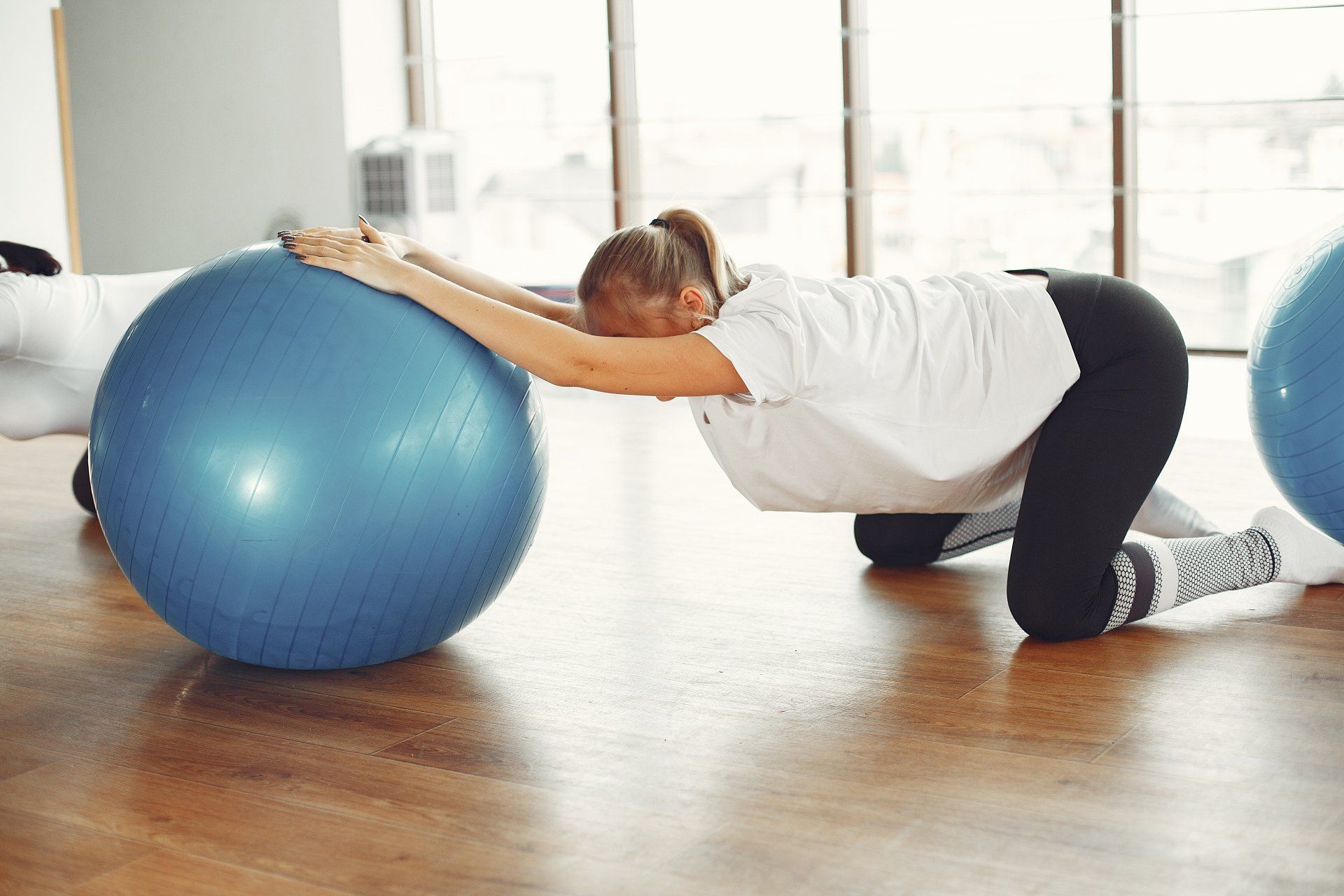
During pregnancy your body undergoes lots of physiological changes, to assist the growth and development of your baby. Pregnancy and birth are physically demanding, and having a reasonable level of fitness can help you better manage these demands, as well as help boost your mood and self image. What are some of the benefits of exercise in pregnancy? i mproved fitness reduced muscle and joint aches and pains improved mood and sense of wellbeing reduced risk of gestational diabetes and gestational hypertension reduced maternal weight gain and fat How much exercise should you do? The latest recommendations from the Royal Australian College of Obstetricians and Gynaecologists suggest that you should exercise most days of the week at a moderate intensity between 2.5-5 hrs per week. Ideally this would mean that you would exercise most days for around 30-45 minutes, where you feel like you are working hard, but not short of breath, e.g. brisk walking. What if you are inactive or don't exercise regularly? If you are currently not exercising regularly or you are inactive, it is recommended that you still start to exercise during your pregnancy. It is recommended that you start with second daily exercise and build up to daily as you are able to, e.g. Monday, Wednesday, Friday and start with 15- 20 minutes of exercise. As you feel that your fitness levels are improving, you can increase the time you are exercising for by 5 minutes until you reach 30-45 minutes each day and/or increase the number of days per week you are exercising for. What type of exercise should you do in pregnancy? Cardiovascular exercise brisk walking stationary bike riding swimming (avoid spas and hydrotherapy pools as these tend to be warmer and can lead to overheating of you and your unborn baby) Running (can be done if previously running prior to conception, speak to you Midwife, Obstetrician or Physio to see if they are happy for you to continue running during your pregnancy. Strength/resistance training maintaining and improving muscular strength in pregnancy is helpful for reducing muscle and joint pains during and after pregnancy avoid lying on your back to exercise after 16 weeks, as this can affect your blood pressure and blood flow to the baby aim for 2 sessions per week Exercise in Pregnancy Precautions 1. Do not exercise in the heat! Your body temperature is naturally higher in pregnancy and exercising in the heat or intensive exercise can cause your internal body temperature to rise to unsafe level for you and your baby. drink plenty of water before, during and after exercise exercise at a moderate intensity exercise in a cool and well ventilated space do not exercise if you are sick or have a fever 2. Avoid high impact exercise The pregnancy hormones make your joints and ligaments more stretchy and loose and thus predispose you to injuries and the extra weight can place extra stress on your joints. Ideally during pregnancy lower impact exercise will help you avoid injury. Medical / Pregnancy Complications that mean NO EXERCISE unless your Obstetrician or Midwife gives you clearance waters have broken (ruptured membranes) uncontrolled high blood pressure blood clots low lying placenta (placenta previa) intra uterine growth restriction uterine bleeding pre-eclampsia Warning signs to stop exercising immediately chest pain unexplained shortness of breath dizziness, feeling faint or headache muscle weakness calf pain, swelling or redness sudden swelling of the ankles, hands or face vaginal bleeding or amniotic fluid loss decreased fetal movement uterine contractions or pain in the lower back, pelvic area or abdomen (potentially indicating preterm labour) I can help design you a suitable exercise program tailored to your needs and fitness levels. Resources https://ranzcog.edu.au/wp-content/uploads/2022/06/Exercise-during-pregnancy-pamphlet.pdf
What is the Pelvic Floor? The pelvic floor is a group of muscles and ligaments that are about as thick as the palm of your hand and they create the “floor” of your pelvic attaching from your pubic bone at the front to your coccyx bone at the back. What does the Pelvic Floor do? The pelvic floor helps to maintain control of your poo and wee, they also help to support your pelvic organs (bladder, bowel and uterus), helping to prevent them falling down into your vagina (prolapse). The pelvic floor also helps your sexual function, contributing to orgasm and arousal. How to contract your Pelvic Floor Muscles? These muscles are hidden inside our body and it can be very hard to know if we are actually contracting the muscles the right way. A lot of women actually perform the wrong movement which results in straining and pushing down of the muscles. To contract your muscles the right way I suggest the following: Sitting down on a chair, feet and back well supported Let your belly relax Palms facing up Now imagine that you are trying to stop your wee, squeeze and lift your pelvic floor muscles If the muscles are being squeezed the right way, you should feel a very small movement of your vagina lifting up from the chair Try and hold for 2-3 seconds and then relax the muscles As you relax the muscles you should feel your vagina drop into the chair Repeat this 10 times Other cues for contracting your pelvic floor muscles Imagine holding in wind Imagine drawing a tampon up your vagina Remember to not hold your breath, avoid clenching your inner thighs, jaw and buttock area
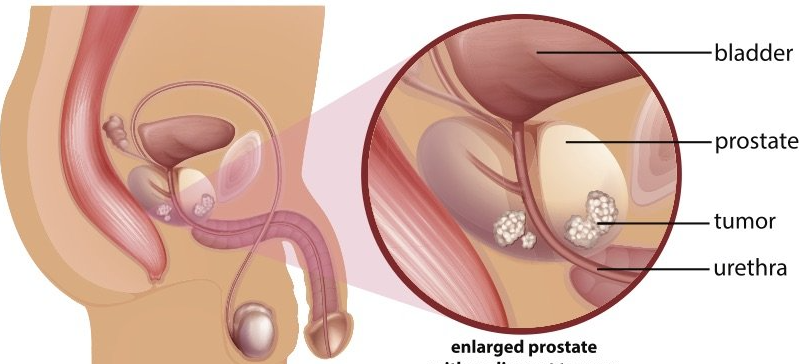
Seeing a Pelvic Health Physio prior to surgery can help you prepare your pelvic floor for the recovery afterwards, provide you with advice and education on how to manage your bladder control and optimise your rehabilitation. I recommend that men attend at least 2 appointments prior to surgery, where you have time to ask lots of questions, raise any concerns and it also helps you to o ptimise the time prior to surgery to learn how to e ngage your pelvic floor muscles to help with bladder control and erectile function post op. You are encouraged to bring your spouse or support person along to your appointments. What does a Pelvic Health appointment look like? During your pre surgery appointment, I spend a lot of time getting a through history of your bladder, urinary and erectile function and symptoms to get a baseline of where things are at before the surgery. I often use a bladder diary to try and workout how much wee you produce over 24 hours, how often you are going to the toilet and how much on average you wee out when you go to the the toilet. This is all information that we can use to help your recovery and plan your treatment after surgery. During your appointment we spend a lot of time trying various different techniques to help y ou learn how to correctly contract your pelvic floor muscles. One of the best ways we have is to use biofeedback, which is using an ultrasound machine (similar to the one that looks at your organs, or a baby in the uterus). For our purposes we use it to identify and focus on watching how you muscles contract with various different cues. You will be able to visually see how your muscles contract and squeeze and this will help your brain and pelvic floor muscle connection to help You get a better contraction and sense of control when you actively squeeze your pelvic floor muscles . What does Pelvic Physio do after Prostate Surgery? After prostate surgery, I recommend booking an appointment 7-10 days after your catheter has been removed. This allows some time for the swelling, pain and healing of the urethral (wee tube) muscle. My plan for post op visits are dependent on your specific goals and how you feel your pelvic floor, bladder control and erectile function are going. Your follow up appointments may involve an in-depth assessment of your bladder function, pad weights (to track leakage of wee improvements), ultrasound assessment and biofeedback (muscle training) of your pelvic floor muscles, erectile rehabilitation, scar management and physical activity and overall muscle recovery including abdominals.
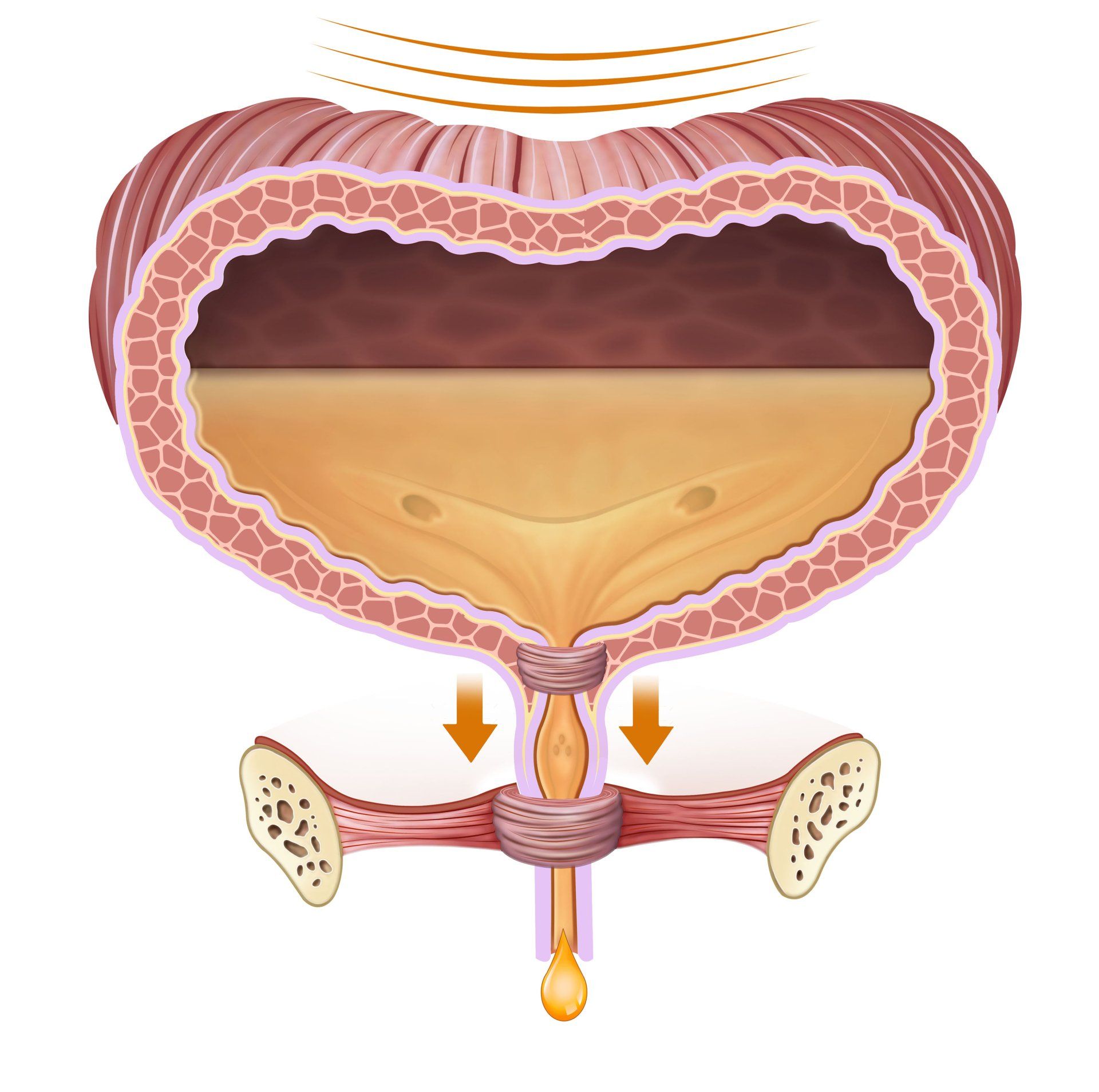
What is an overactive bladder? An overactive bladder is a common condition that causes an individual to experience sudden and uncontrollable urges to wee. For some people the urge is so strong that they have a bladder accident (incontinence) either at the same time the have the sudden urge to wee or enroute to the toilet. Some people will experience the sudden urge to wee, but be able to make it to the toilet n time. An overactive bladder can be a stressful condition that can cause anxiety and fear around leaving the house, being able to find a toilet when out and being able to hold on when the urge comes on. What are the symptoms of an overactive bladder: Urgency Frequency Incontinence Nocturia (night time weeing) What can cause an overactive bladder? There are many factors which can contribute to an over active bladder. These can include: Small bladder size Extra strong bladder contractions Caffeine intake e.g. tea, coffee Carbonated drinks e.g. coke, Pepsi max Neurological conditions such as Parkinson’s, Multiple Sclerosis Hormonal changes Pelvic floor dysfunction Urinary tract infections What can be done to help an overactive bladder? There are lots of treatments which can be effective in reducing your symptoms. These can include: Bladder retraining TENS Pelvic floor muscle training (sometimes it’s about relaxing the muscles not just strengthening) Reducing caffeine and soft drinks Ensuring you drink enough fluid over the day Bladder emptying techniques Medications Rest assured you do not need to put up with your bladder symptoms. Your Pregnancy and Pelvic Health Physiotherapist can help develop you a tailored plan to restore your bladder control and life.
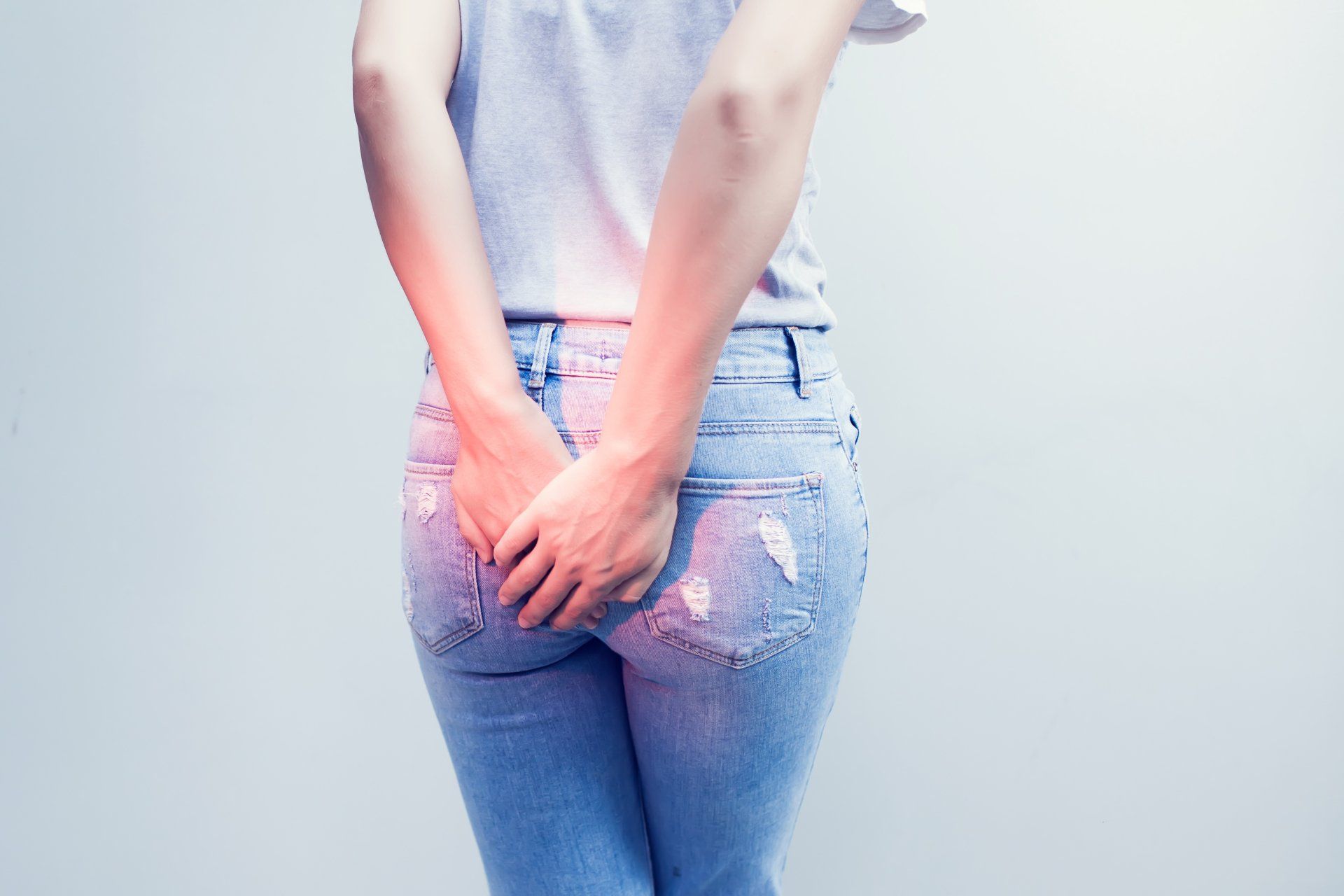
What are haemorrhoids? Haemorrhoids are swollen veins in your anus and lower rectum. if the haemorrhoid is inside your rectum it is called and internal haemorrhoid. If its located on the outside of your anus its called an external haemorrhoid. Symptoms of external haemorrhoids Itching or irritation in your anal area Pain or discomfort with sitting or pain during a poo Difficulty getting clean after passing a bowel motion (lots and lots of wiping) Swelling around your anus Bleeding when passing a poo You can generally see these when you look in a mirror Symptoms of internal haemorrhoids Painless bleeding when passing a poo that is bright red in colour a sensation of a bulge or prolapse of something in the anus when doing a poo, which you may feel that you need to push back up the rectum Not visible without looking internally at the rectum What can cause haemorrhoids? Poor toileting habits and straining in the toilet Pregnancy and childbirth Regular heavy lifting Being overweight or obese Chronic diarrhoea or constipation What can I do to help my haemorrhoids at home? 1. Adopt good toileting habits Avoid straining use a footstool to raise your knees higher than your hips spend no longer than 10 minutes on the toilet 2. Increase your fluid and fibre intake Try and consume at least 8 glasses of water per day, more if you are exercising or completing physical work Eat foods high in natural fibres, such as pears, kiwifruit, prunes, dates, chia seeds and flaxseed 3. Avoid excessive wiping You should aim for 3-4 wipes with toilet paper. If you wipe more than that you can irritate the skin around the anus and the haemorrhoid. Try using water, sorbolene on toilet paper or cold flannels to assist cleaning after a poo, if you find it difficult to clean 4. Avoid prolonged sitting Long periods of sitting, at your desk, car or on the toilet can increase the pressure in the veins around your anus and can cause bigger haemorrhoids. When should I seek help for my haemorrhoids? Any rectal bleeding should be investigated by you GP or local Doctor to rule out other more sinister causes of your bleeding like colon or rectal cancer If you feel that you may have a prolapsed haemorrhoid changes in your bowel habits, e.g. your unable to empty completely now, you notice a mucous discharge If you experience anal pain that disrupts your normal daily life
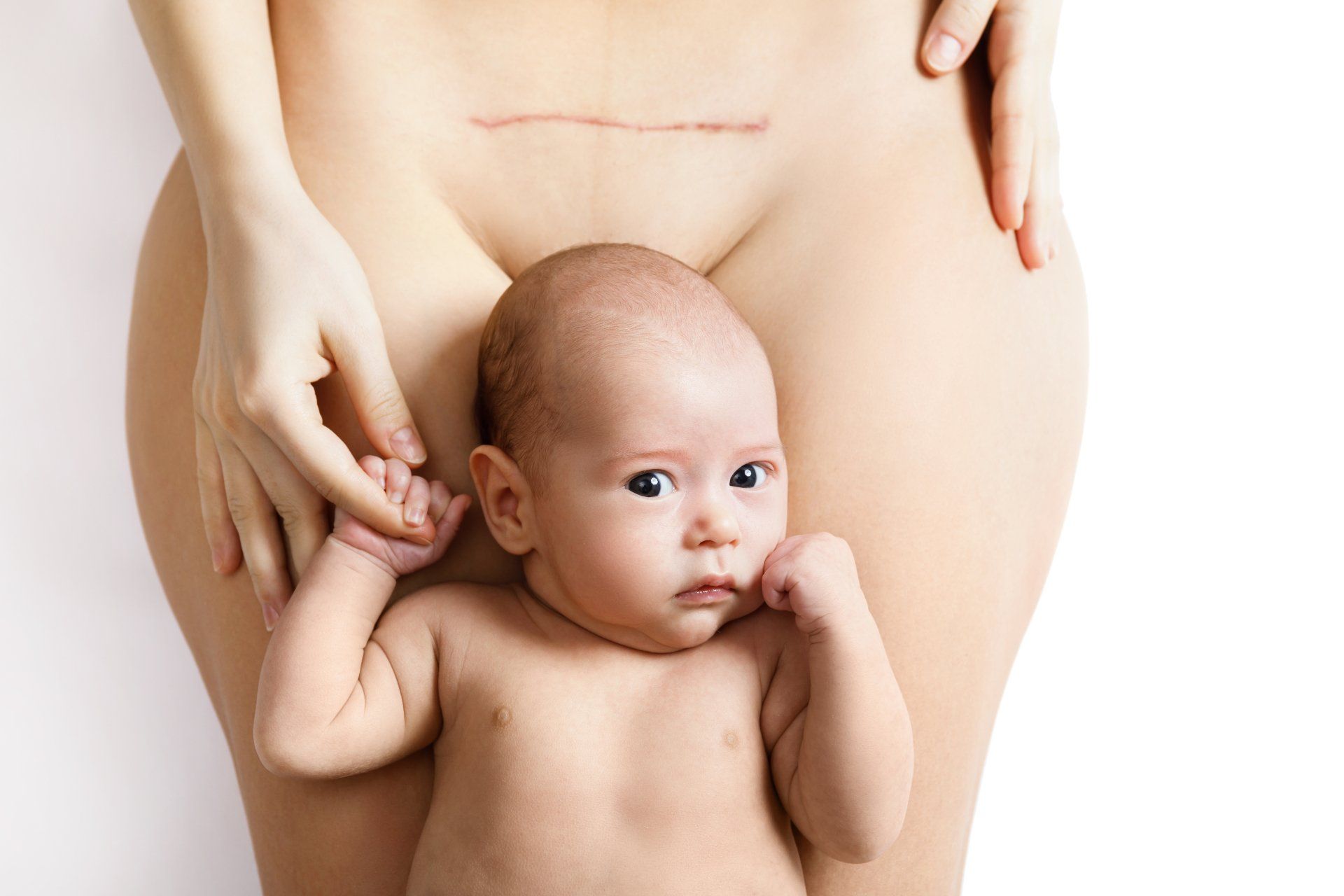
What should you do in the first few days until the wound(cut) heals? After your surgery, generally there will be sutures, staples or steri strips over the wound to help hold the skin together. The doctors and nurses usually place a waterproof dressing over the top to help the wound stay dry and clean to help reduce the chance of an infection. You should leave all dressings and sutures in place until your Doctor or Midwife removes them. Try and keep your wound dry and clean. The wound can be quite sore and tender for the first week or so. Make sure you keep up with your regular pain relief that you Doctor has given you. To help support the wound and give you an added layer of protection between your clothes and the dressing, you can place a clean sanitary pad across the wound. You can change this a couple of times a day to keep the pad as clean as possible. Try to wear high waisted undies if you can as bikini briefs tend to dig into the wound. If you have tubigrip you can wear this around your belly to help give you some more support around your abdomen and the C section wound. Try and avoid wearing highly compressive shorts such as the recovery ones until your wound is healed a bit more as they can be hard to pull on and off for the toilet in the early stages. I generally suggest to my clients to start wearing them from 7-10 days post partum. What signs and symptoms do I look for I am worried that my wound is infected or not healing as it should be? Severe abdominal pain Pain at the incision site which is worsening or not going away Redness or swelling along the incision site Pus discharge from the wound Foul smelling vaginal discharge Temperature, feeling unwell, increased fatigue If you have any of these symptoms and you are worried that you may have an infection or the wound is not healing as expected, you should contact your Doctor, Midwife or Obstetrician immediately. How can help my scar heal faster? Once your wound has fully healed and your steri strips and/or sutures/staples have been removed you can start to gently massage your scar to help soften and breakdown the scar tissue. I usually recommend vitamin E cream, dermeze or sorbolene to use to help massage the scar. You do not need to be very vigorous and hard when you massage your scar. A gentle massage up/down and across the scar will help to soften and gently breakdown the scar tissue. Scar massage can help to improve your skin sensation and reduce some of the sensitivity along the incision which can occur with a caesarian. Once the steri strips, staples/sutures are removed I usually recommend for my clients to use either micropore or silcone based tapes for 3-6 months after their surgery to help flatten, support and improve their scar appearance. Both of these tapes are readily available from most Pharmacies and cost less than $10 AUD. If you have had a C section before, I usually recommend to use the silcone based tape as this is more firm and has been shown to be more effective than micropore for previous scars. If your body has a tendency to be a very good healer, or you have a history of keloid scarring then I would also recommend using the silcone based tapes as they are more supportive and effective in reducing the density (thickness) of scars. Help my scar is lumpy, raised and tender. What can I do? If you have been worried about your scar and your Medical Team has advised that there is no infection or wound issue then you may benefit from a consultation with a Pregnancy and Pelvic Health Physio. It is really common after a C section to have tenderness, numbness and tingling sensations around the scar. The operation creates scar tissue and it can make the nerves around the wound extra tender and sensitive. Most of the time, the sensation returns to normal after 6-12 months, for some women the sensitivity can remain, but to a much lesser extent that its not generally bothersome. For some women, their bodies can produce large and thick scar tissue which can be bothersome from a physical and psychological perspective. Some woman can find that wearing jeans or low waisted pants irritate their scar, whilst others are quite distressed about the appearance of the scar. There are a various different treatment options that a Pregnancy and Pelvic Health Physio might be able to offer you to help your scar. This may include; therapeutic ultrasound, laser therapy, dry needling and scar massage to the wound.
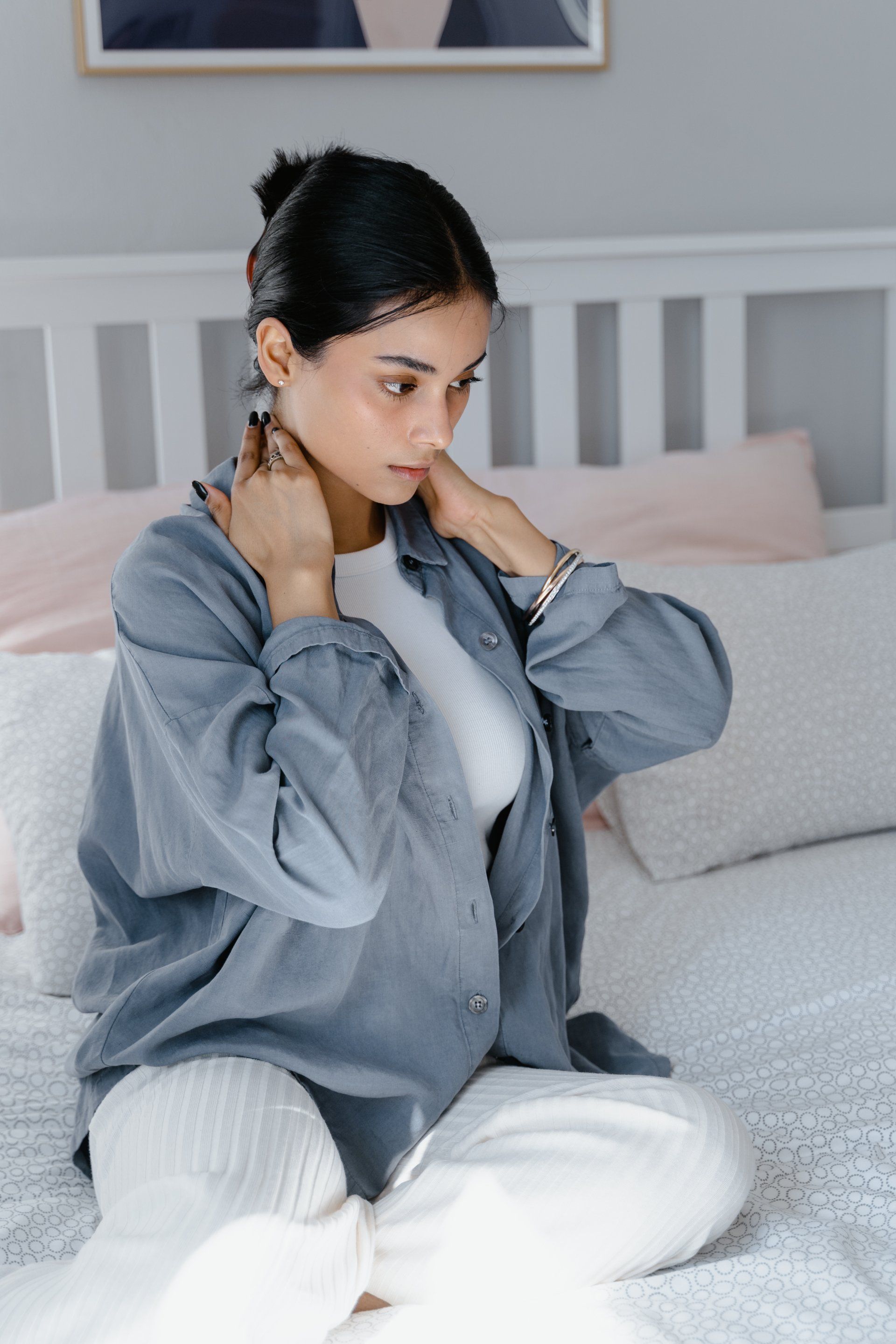
Neck and shoulder pain and headaches are really common in pregnancy, but there is no need to suffer. What causes neck and shoulder pain? During Pregnancy your body undergoes a huge amount of physical and postural changes which include a growing baby bump and larger breasts which puts more pressure on your upper back and neck. Poor posture and sleep disturbances can also place extra stress on your neck and shoulders, which can increase muscle tension and contribute to headaches and tight and painful muscles and joints What can you do to prevent or help neck and shoulder pain in Pregnancy? 1. Posture If you work in an office or from a computer, make sure that your feet are well supported, with a foot stool. The computer screen is raised so that you don't have to look down or up which places extra strain on your neck and shoulders. If you have a toddler at home, try and encourage them to walk and be as independent as possible. This will also help after birth to help your recovery. 2. Sleep position Try and find a really good and supportive pillow for your neck. After 16 weeks it is recommended that you avoid sleeping on your back to reduce the likelihood of the baby having reduced blood flow. Sleeping on your side is generally the most comfortable, so finding a supportive side pillow can really help to reduce neck and shoulder pain. I am currently using the Ecosa pillow and I have found it great for reducing my neck pain and headaches. 3. Get moving Exercise is a great way to boost your mood and help to reduce muscle tension and pain. Pregnancy fatigue can really limit your motivation to get exercising, but once you start you will feel so much better Trust me, I have been there myself. Start with a 20 minute walk around the block or take the kids to the park on their bike. Walking is a great exercise to help you relax and get the blood flowing so you can reduce the muscle tension in your upper back, neck and shoulders. 4. Use a heat/wheat pack A heat/wheat pack can be a very effective tool to help loosen up stiff muscles and joints. There is no limit to how long or how often you can use the heat pack. When you apply the heat pack place it over your clothes or wrap it up in a towel to prevent you from burning your skin. 5. Stretching Stretches can be a great help to ease of excessive muscle tension and tightness. Try and set a reminder to do these exercises every 2 hours to help stop the build up of muscle tension.