
THE SAME CARE, DIFFERENT NAME

Kindred Pelvic & Children's Health was previously known as Cara Richmond Physiotherapy.

Where health feels human. Every kind. Every step. Every body.

Care beyond the clinic.


MAKE AN APPOINTMENT LEARN MORE

Expert Pelvic & Children's Health Physiotherapy in Melbourne.


Supporting pelvic health, pregnancy, postnatal recovery, children's continence/toileting, pelvic pain with personalised, holistic, evidenced based care.

Pelvic Health Expert Physiotherapists  - Pregnancy & Postnatal Care - Children's Continence & Toileting Support - Pelvic Pain - Prolapse - Exercise & Rehabilitation

Founded by Cara Richmond, Kindred Pelvic & Children’s Health was previously known as Cara Richmond Physiotherapy.


In early 2026, we changed our name to better reflect our growth and commitment to providing inclusive, specialised physiotherapy services for individuals of all genders and children across various Melbourne locations, including Bundoora, St Albans, Werribee, Spotswood, and Ascot Vale.

Our Services

WHO WE HELP


• People experiencing pelvic pain or discomfort


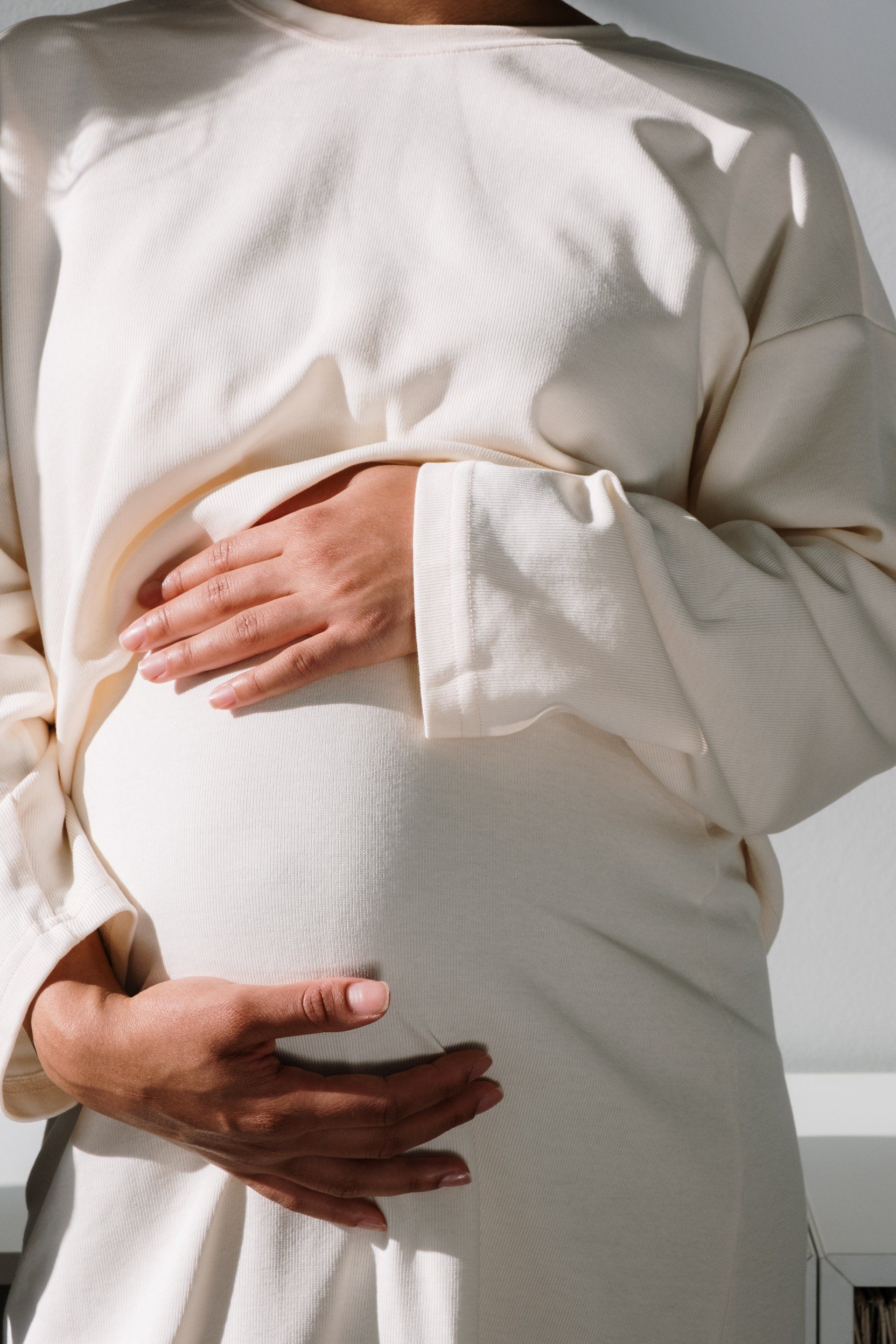
• Pregnancy and postnatal recovery


• Children with toileting or continence concerns


• Individuals with bladder or bowel dysfunction


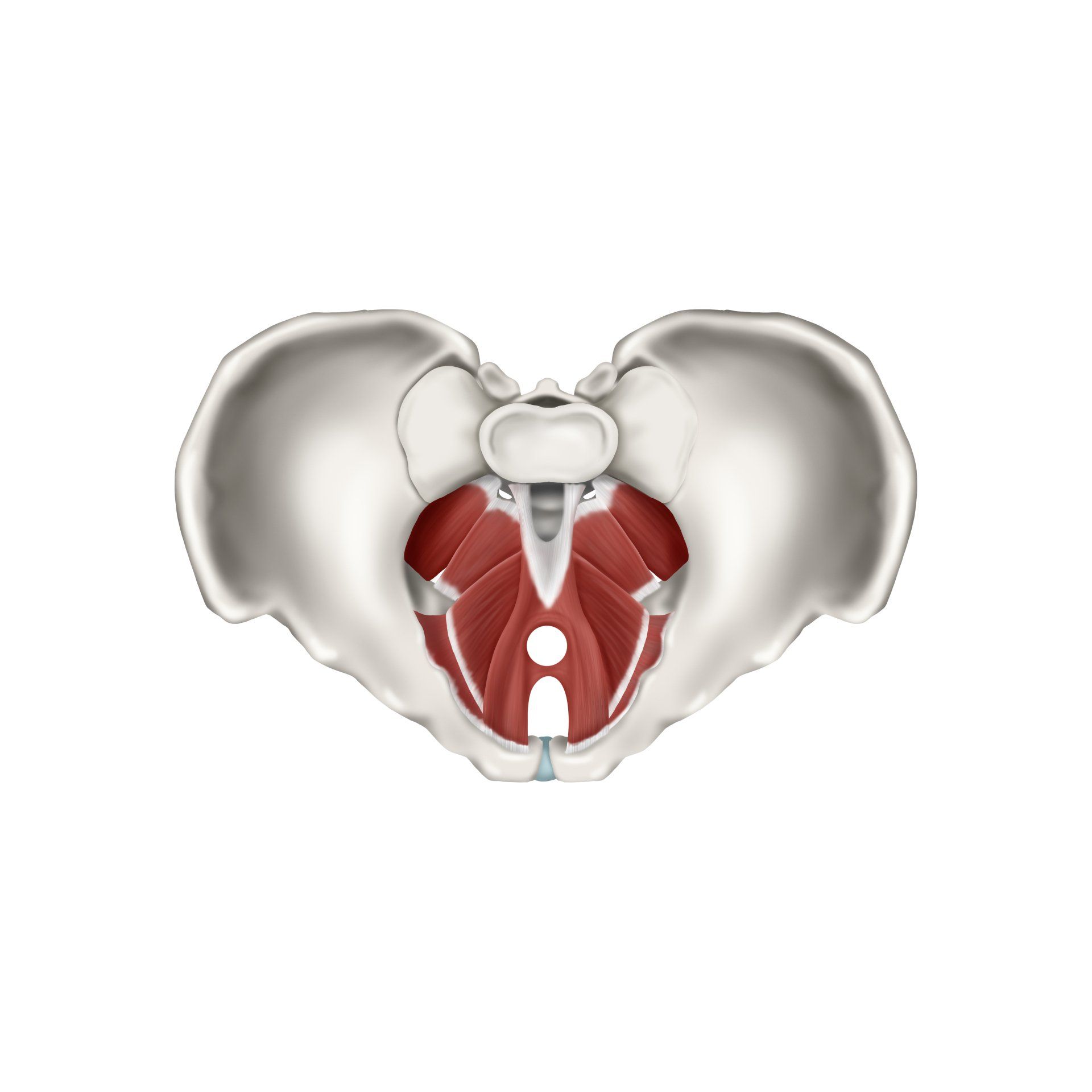
• People wanting to improve pelvic floor function


What to Expect

1. A private, respectful and thorough assessment.


2. Clear understanding of your symptoms and contributing factors.


3. A personalised treatment plan tailored to your goals.


Pregnancy and Pelvic Health Diaries

By Cara Richmond February 25, 2025
Endometriosis and adenomyosis are two common yet often misunderstood conditions that affect many individuals with uteruses, causing chronic pelvic pain, heavy periods, and various other symptoms. While traditional treatment approaches may focus on medication or surgical interventions, pelvic physiotherapy has proven to be an effective complementary treatment that helps manage pain, improve quality of life, and support overall pelvic health. In this blog, we will explore how pelvic physiotherapy can help individuals suffering from endometriosis and adenomyosis, offering relief and a holistic approach to managing these conditions. What Are Endometriosis and Adenomyosis? Before delving into how pelvic physiotherapy can help, it’s important to understand what endometriosis and adenomyosis are. Endometriosis occurs when tissue similar to the lining inside the uterus (the endometrium) grows outside the uterus, causing inflammation, scar tissue (adhesions), and often severe pelvic pain, particularly during menstruation. This condition can also affect fertility and cause painful intercourse. Adenomyosis happens when endometrial tissue grows into the muscular wall of the uterus. This can lead to an enlarged uterus, heavy and painful periods, pelvic pain, and even bloating or pressure in the lower abdomen. Unlike endometriosis, adenomyosis is confined to the uterus, but it can cause similarly debilitating symptoms. Both conditions can significantly affect daily life, leading to discomfort, fatigue, and emotional strain. However, pelvic physiotherapy offers a multifaceted approach that helps address the physical symptoms of these disorders. How Pelvic Physiotherapy Can Help Manage Endometriosis and Adenomyosis Pelvic physiotherapy focuses on the muscles, ligaments, and tissues in the pelvic region, with the aim of improving mobility, relieving pain, and restoring pelvic floor function. For individuals with endometriosis and adenomyosis, pelvic physiotherapists can use a range of techniques tailored to their specific symptoms and needs. Here’s how pelvic physiotherapy can offer relief: 1. Reducing Pelvic Pain One of the most common symptoms of both endometriosis and adenomyosis is chronic pelvic pain. Pelvic physiotherapists are trained to use a variety of hands-on techniques such as myofascial release, deep tissue massage, and trigger point therapy to reduce muscle tension in the pelvic floor and surrounding areas. These techniques help relax tight muscles, release scar tissue, and improve blood circulation, which can alleviate pain and reduce muscle spasms. For endometriosis, this is especially important, as the condition can cause deep pain, especially around the pelvic organs. By targeting these tight and tender areas, pelvic physiotherapy can help reduce the intensity and frequency of pain episodes. 2. Improving Pelvic Floor Function Both endometriosis and adenomyosis can affect the pelvic floor muscles, which play a critical role in bowel, bladder, and sexual function. Individuals with these conditions may experience pelvic floor dysfunction, which can manifest as pain during intercourse, urinary urgency, or constipation. Pelvic physiotherapy helps restore proper pelvic floor muscle function by teaching exercises that encourage both strengthening and relaxation of these muscles. This can improve bladder and bowel control, ease pain during intimacy, and restore normal pelvic muscle coordination, which may be compromised due to the ongoing pain and tension associated with these conditions. 3. Reducing Scar Tissue and Adhesions In endometriosis, the tissue that grows outside the uterus can form adhesions (scar tissue) that cause organs to stick together. This can lead to restricted movement, pain, and discomfort. Pelvic physiotherapists use manual therapy techniques to help break down or mobilize adhesions, improving organ mobility and reducing pain caused by these adhesions. While manual therapy cannot eliminate adhesions entirely, it can help improve flexibility and prevent further damage from forming. For individuals with adenomyosis, pelvic physiotherapy may not directly treat the condition itself, but it can address the resulting muscle stiffness and tension in the pelvic region caused by the uterine enlargement and pressure. 4. Helping with Menstrual Pain Management Pelvic physiotherapists often guide individuals through relaxation techniques and breathing exercises that help manage the cramping and pain associated with menstruation. By teaching individuals how to relax their pelvic muscles and focus on controlled breathing, physiotherapists can help minimise the intensity of menstrual cramps and reduce overall discomfort during the menstrual cycle. In addition, some pelvic physiotherapists work with individuals to create tailored exercise programs that help strengthen the core and pelvic muscles, which can aid in reducing menstrual pain over time. 5. Improving Posture and Pelvic Alignment Chronic pain from endometriosis and adenomyosis can lead to poor posture and abnormal pelvic alignment. Pelvic physiotherapists evaluate how these conditions affect posture and body mechanics and provide exercises to improve alignment. Correcting posture and body mechanics can reduce pain and strain on the pelvis, back, and hips, leading to better overall function and less discomfort during daily activities. 6. Providing Education and Lifestyle Modifications Pelvic physiotherapists offer education on how to manage day-to-day activities with less pain, including proper lifting techniques, postural adjustments, and movement modifications. They also provide advice on managing stress and anxiety, which can exacerbate pain and pelvic muscle tension. The Role of Pelvic Physiotherapy in a Holistic Treatment Plan Pelvic physiotherapy can be an important component of a comprehensive approach to managing endometriosis and adenomyosis. While it may not cure these conditions, it significantly improves quality of life by addressing the physical symptoms and offering strategies for pain relief. Combining pelvic physiotherapy with other treatments—such as medical management, hormone therapy, or even surgery—can provide a well-rounded approach to managing these chronic conditions. It is essential to consult with your healthcare provider before starting pelvic physiotherapy to ensure it’s part of an integrated treatment plan that works for you. Your physiotherapist can collaborate with your medical team to tailor the approach to your unique needs, ensuring the best possible outcome. Conclusion Pelvic physiotherapy offers a gentle, effective, and holistic approach to managing the chronic pain and pelvic dysfunction associated with endometriosis and adenomyosis. By targeting the pelvic floor muscles, releasing muscle tension, reducing adhesions, and improving overall pelvic function, physiotherapy can significantly improve your quality of life. If you are living with these conditions, consider discussing pelvic physiotherapy with your healthcare provider as part of your treatment plan. It might be the key to managing pain, restoring function, and regaining control over your life
By Cara Richmond February 25, 2025
Childhood encopresis, or the inability to control bowel movements, is a challenging condition that affects many children, often leading to feelings of frustration, shame, and isolation. When combined with conditions such as Autism Spectrum Disorder (ASD), which can affect sensory processing, communication, and social interactions, the issue of encopresis can become even more complex. However, a specialised approach through pelvic physiotherapy offers a promising solution for children struggling with these challenges. In this blog, we will explore how pelvic physiotherapy can help children with encopresis, particularly those with ASD, and improve their overall quality of life. Understanding Encopresis and Autism Spectrum Disorder Encopresis typically refers to the repeated passage of stool into inappropriate places (such as clothing or the floor) by a child older than 4 years old, who has already been potty trained. It can result from a range of factors, including chronic constipation, fear or anxiety surrounding bowel movements, or underlying physical conditions affecting bowel control. Autism Spectrum Disorder (ASD) is a developmental disorder characterized by challenges in communication, sensory processing, and repetitive behaviors. Many children with ASD experience difficulties in regulating bodily functions, including those related to toileting. Sensory sensitivities, rigid routines, or anxiety can exacerbate encopresis in children with ASD, making it harder for them to develop effective toilet training or bowel control. How Pelvic Physiotherapy Can Help Pelvic physiotherapy is a specialised form of physiotherapy that focuses on the muscles and structures of the pelvic floor, which play a crucial role in controlling bowel and bladder function. For children with encopresis and ASD, pelvic physiotherapy can address both the physical and behavioral aspects of the condition. Here’s how: 1. Improving Bowel Function Pelvic physiotherapists are trained to work with children on strengthening and coordinating the pelvic floor muscles, which control bowel movements. By teaching children exercises that engage the muscles responsible for bowel control, therapists can help improve the ability to recognize the urge to go to the bathroom and support more effective elimination. This is especially important for children with encopresis who may have weakened or poorly coordinated pelvic floor muscles. 2. Addressing Constipation and Discomfort Chronic constipation is often a significant contributor to encopresis. Pelvic physiotherapy can help identify and treat factors that may be contributing to constipation, such as poor posture during toileting, inefficient muscle contractions, or pelvic floor dysfunction. The Physio can guide the child on techniques to alleviate discomfort, reduce the fear of bowel movements, and gradually restore healthy, regular bowel habits. 3. Sensory Integration for Children with ASD Children with ASD often experience heightened sensory sensitivities, including difficulties with the feeling of bowel movements or the sensory environment of the bathroom. Pelvic physiotherapists trained in sensory integration techniques can help children develop better body awareness and tolerance to sensations related to bowel movements. This could include desensitisation exercises, gradual exposure to the act of toileting, and creating a more calming bathroom routine. 4. Establishing Toilet Training Routines For children with ASD, establishing and following a predictable routine is essential. Pelvic physiotherapists can work with families to create a structured, supportive, and sensory-friendly toileting schedule. They can help parents and caregivers develop strategies to ease the transition into regular toileting habits, especially if a child is anxious or resistant to the process. 5. Enhancing Relaxation and Reducing Anxiety The anxiety and emotional stress associated with encopresis are often compounded in children with ASD. Pelvic physiotherapy incorporates techniques to help children relax their pelvic floor muscles, making it easier to pass stool without pain or resistance. These techniques may involve breathing exercises, guided imagery, or visual cues designed to reduce the fear or discomfort of using the bathroom. The Role of a Multidisciplinary Approach Pelvic physiotherapy for childhood encopresis and ASD is most effective when it is part of a multidisciplinary treatment approach. Collaborating with other healthcare professionals such as pediatricians, psychologists, and occupational therapists can address the broader needs of the child. Combining pelvic physiotherapy with behavioural therapies or speech-language therapy can provide a comprehensive plan to improve both the child’s physical and emotional health. Benefits of Pelvic Physiotherapy for Children with Encopresis and ASD Increased bowel control: Pelvic physiotherapy can help children regain control over their bowel movements and reduce accidents. Enhanced quality of life: Addressing the underlying physical and sensory issues associated with encopresis can relieve frustration and improve the child’s overall well-being. Improved confidence: As children gain more control over their bodily functions, they are likely to feel less shame or anxiety surrounding toileting. Empowered families: Parents and caregivers will receive practical tools and strategies to support their child’s progress, fostering a positive approach to managing encopresis. Conclusion Pelvic physiotherapy provides a valuable tool for children with encopresis and ASD, offering physical and emotional support that can transform toileting from a stressful experience to a manageable and even empowering one. By addressing the physical aspects of bowel control, promoting relaxation, and helping children with ASD navigate sensory challenges, pelvic physiotherapists help restore confidence and improve quality of life. If your child is struggling with encopresis, especially in the context of ASD, it may be worth exploring pelvic physiotherapy as part of a holistic treatment plan. Working with a qualified pelvic physiotherapist can provide tailored strategies to help your child achieve better bowel control, reduce anxiety, and develop healthier habits over time. Cara has over 14 years of clinical experience working with children with continence and pelvic floor related issues including encoporesis. She is well versed with neurodivergent children and understands the complexities of their needs.
By Cara Richmond February 24, 2025
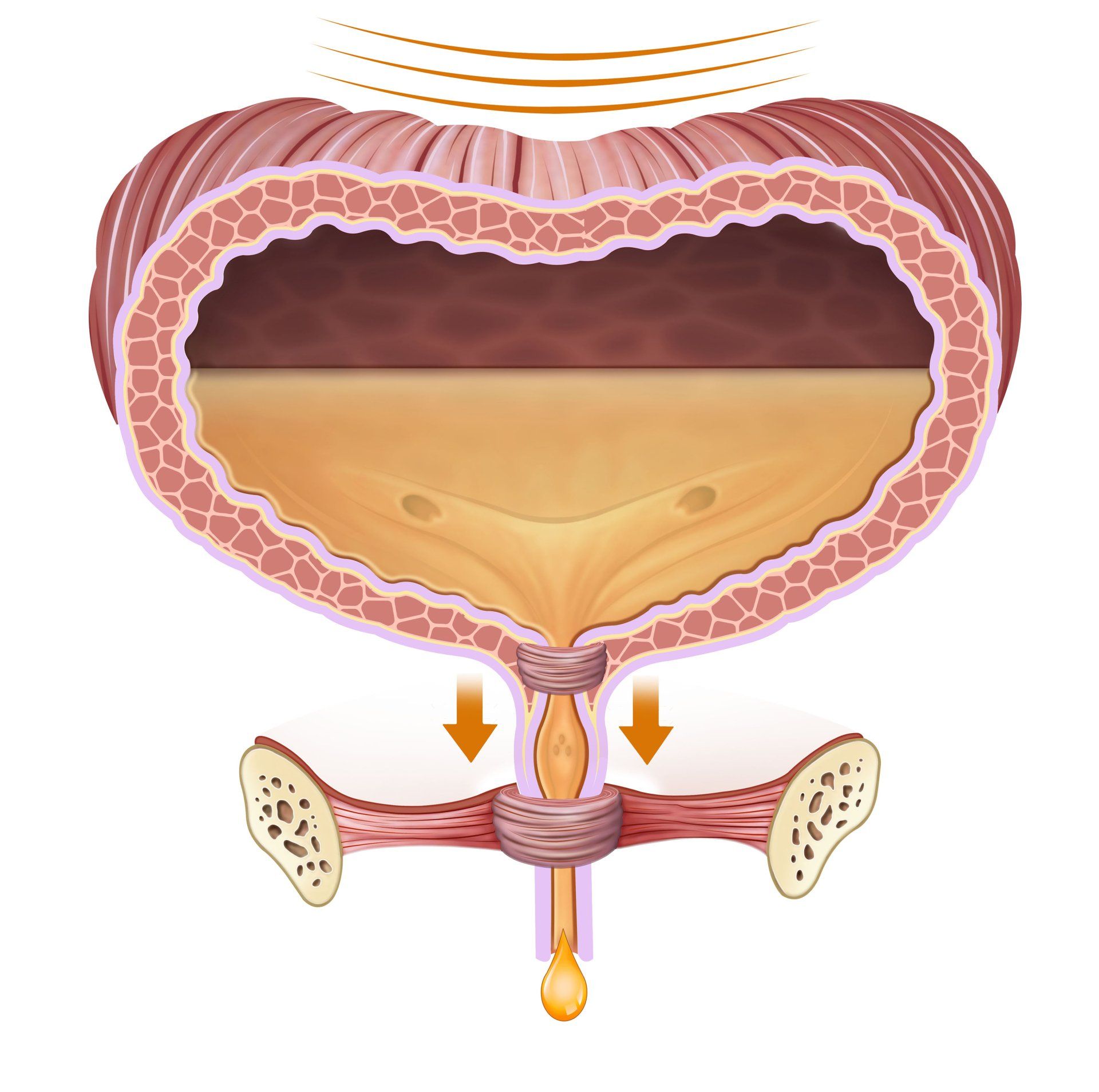
Understanding Normal Voiding: What You Need to Know When it comes to our body's daily functions, many processes occur without us even thinking about them. One of these processes is voiding, a term used to describe the act of passing urine. While most people are familiar with the sensation of needing to urinate, the details of what constitutes normal voiding often remain a mystery. So, let’s take a closer look at what normal voiding is and why understanding it is important for maintaining overall health. What is Voiding? Voiding refers to the process of emptying the bladder by releasing urine. The process involves several steps, beginning when the kidneys filter waste and excess fluids from the blood, creating urine. This urine is then stored in the bladder until the body signals that it’s time to eliminate it. What is Considered "Normal" Voiding? Normal voiding can vary slightly from person to person, but there are certain commonalities that most people experience. Here are the key factors that make up normal voiding: 1. Frequency of Urination The frequency of urination typically ranges from about four to eight times a day for an adult. This depends on factors such as fluid intake, the types of liquids consumed (e.g., caffeine or alcohol may increase urination), and your activity levels. Daytime Urination: On average, most people will urinate about 5-7 times during the day. Nighttime Urination: Waking up during the night to urinate (a condition known as nocturia) should be infrequent. Ideally, most adults can go through the night without needing to urinate. 2. Volume of Urine A typical void usually involves passing about 200 to 500 milliliters (ml) of urine per session. However, this amount can vary based on your hydration levels and other factors such as age and kidney function. Hydration and Urine Volume: If you drink more fluids, especially water, your body will produce more urine. Conversely, dehydration can lead to smaller volumes of urine that may be more concentrated. 3. Urine Flow and Stream When urinating, the flow of urine should be consistent and strong, without pauses or interruptions. Any changes in the flow pattern, such as a weak stream or difficulty starting urination, could be a sign of a medical condition. 4. Urine Color and Clarity Normal urine should be pale yellow or amber and clear. If you notice changes in color or appearance, it could indicate changes in hydration levels or underlying health issues: Light yellow: Indicative of good hydration. Dark yellow or amber: Could suggest dehydration. Cloudy or foamy urine: Might signal an infection, kidney disease, or excess protein in the urine. 5. Absence of Pain Normal voiding should be a painless process. You should not feel discomfort, burning, or a sense of urgency or pain when urinating. Painful urination could indicate infections like UTIs (urinary tract infections), bladder issues, or other medical conditions that require attention. Factors That Affect Normal Voiding While the general guidelines above cover what most people consider to be normal voiding, several factors can influence your urination habits: 1. Hydration Status The amount of fluid you consume greatly affects the frequency and volume of urination. Staying well-hydrated helps your kidneys filter waste effectively and maintain a healthy balance. 2. Medications Certain medications, particularly diuretics or water pills, can increase the frequency of urination. Other drugs might affect bladder control or alter the composition of urine. 3. Age As people age, their bladder capacity tends to decrease, and the ability to control urination might change. Older adults may experience more frequent urination or conditions like overactive bladder or urinary incontinence. 4. Diet The types of food and drinks you consume can affect urination. For instance, caffeine, alcohol, and spicy foods can irritate the bladder, potentially leading to more frequent urination. Eating high-salt foods may cause your body to retain water, decreasing the need to urinate. 5. Health Conditions Certain medical conditions can impact normal voiding. For example: Diabetes can increase urination due to high blood sugar levels. Pregnancy can cause frequent urination as the growing uterus places pressure on the bladder. Bladder or kidney infections often lead to painful or frequent urination. When Should You Be Concerned About Your Voiding Patterns? While normal voiding varies slightly from person to person, there are several signs that could indicate a problem: Increased or decreased frequency: If you find yourself urinating much more or less frequently than usual, it could be a sign of a medical issue. Painful urination: Discomfort or pain when urinating may signal infections or other health problems. Blood in urine: Blood in your urine (hematuria) should never be ignored, as it may indicate a kidney stone, infection, or even a more serious condition. Incontinence or difficulty urinating: Struggling to control urination, or feeling unable to fully empty your bladder, might indicate bladder dysfunction or other issues. A pelvic physiotherapist can play a key role in improving bladder and voiding function. By assessing and treating the muscles and tissues of the pelvic floor, they help address issues like incontinence, urgency, or difficulty urinating. Pelvic physiotherapy involves targeted exercises to strengthen or relax pelvic floor muscles, improve bladder control, and enhance overall voiding function. The Physio may also teach techniques for proper posture, breathing, and coordination to ensure effective bladder emptying. For individuals experiencing pelvic pain or pressure, pelvic physiotherapists provide specialised treatment to relieve discomfort and restore normal function.
SHOW MORE

Follow us:

Instagram/Facebook @kindredpelvic

Tik Tok: @physiomamacara


Want some of our latest updates, recovery tips and pelvic floor advice?

Join our mailing list!